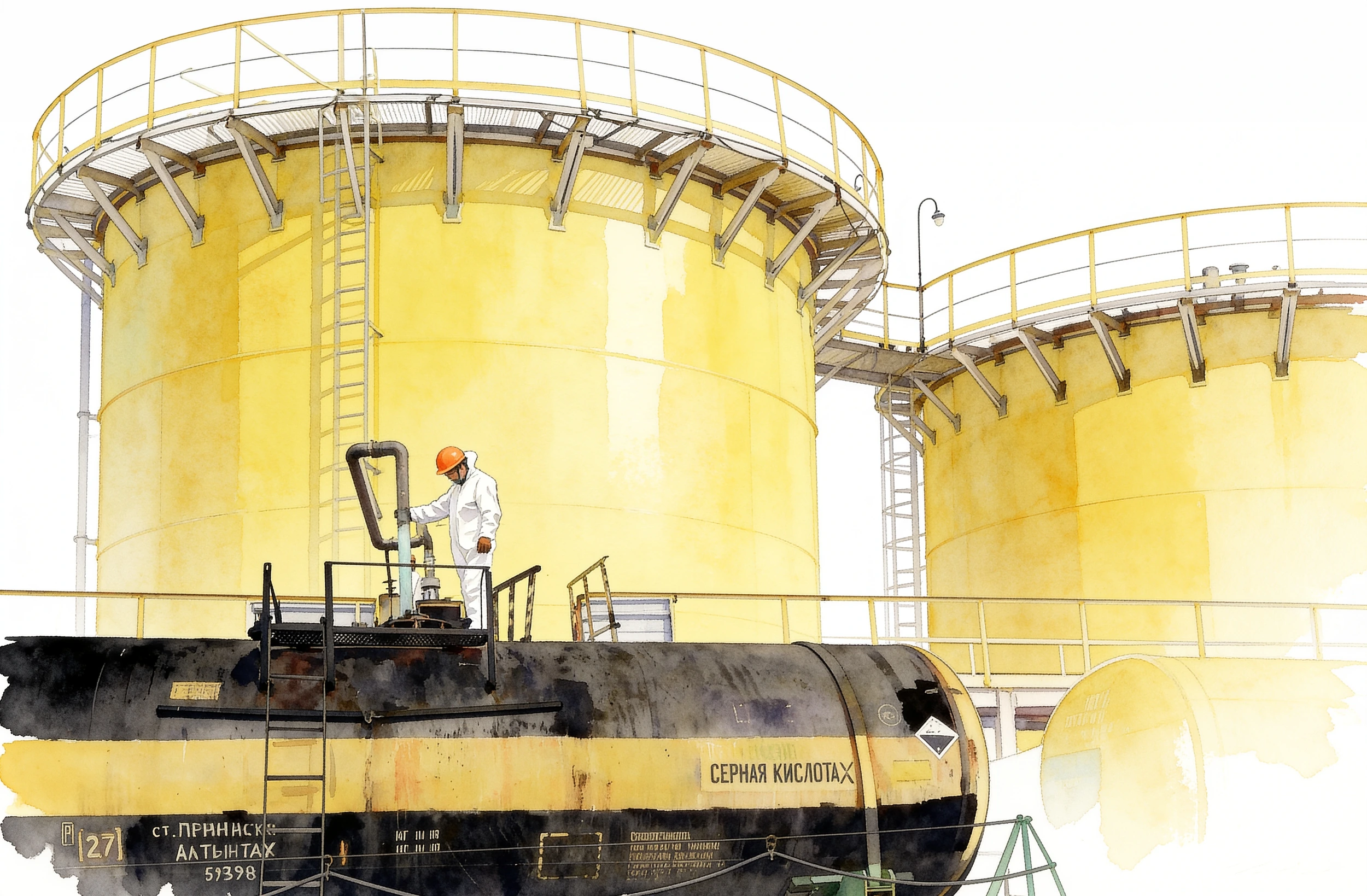
Oil and Gas
Transforming commodity revenues

National Company KazMunayGas JSC (KMG) is the leading vertically integrated oil and gas company in Kazakhstan. Founded in 2002, KMG covers the full range of activities in the oil and gas sector, including prospecting, production, transportation and processing of hydrocarbons, as well as the provision of core services in 15 regions.
Hydrocarbon reserves (2P)
724million toe
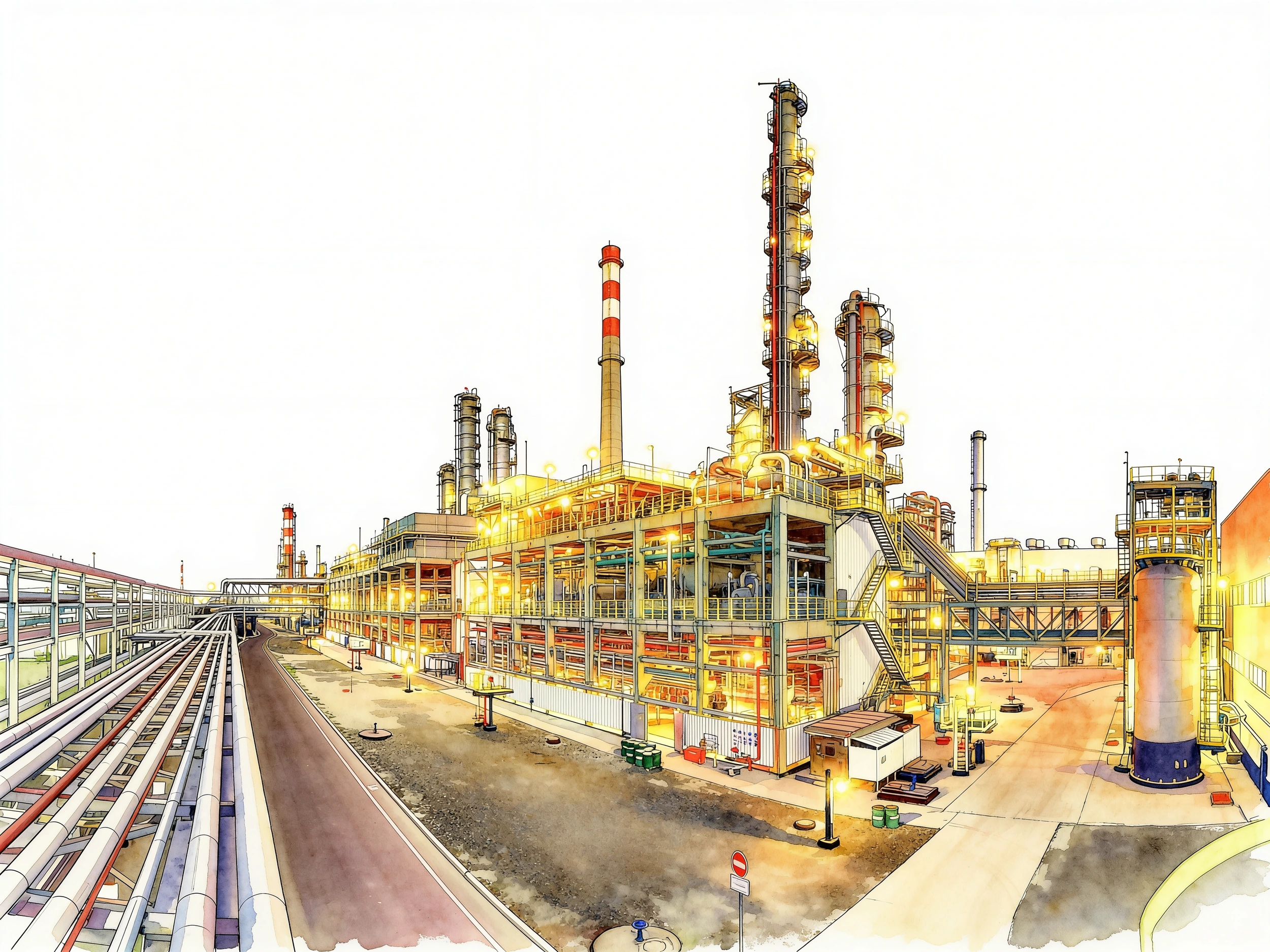
KMG plays a key role in representing Kazakhstan's interests in the oil and gas market, operating four major refineries within the country and two refineries in Romania. The company participates in the implementation of major oil and gas projects at the Tengiz, Kashagan and Karachaganak fields, cooperating with international strategic investors.
Key performance results 2025
| Indicator | 2024 | 2025 |
|---|---|---|
| Production indicators, million tonnes: | ||
| Oil and gas condensate production | 23.8 | 26.2 |
| Oil refinery throughput | 19.2 | 21.0 |
| Oil refinery throughput in the Republic of Kazakhstan | 14.2 | 18.4 |
| Oil transportation volume | 83.5 | 83.3 |
| Gas production, billion m³ | 9.6 | 11.4 |
| Financial indicators, KZT billion: | ||
| Revenue | 8,330 | 9,371 |
| Dividends | 300 | 300 |
| Net profit | 1,094 | 1,072 |
| Costs | 7,780.6 | 9,012.96 |
| Operating profit | 1,467.6 | 1,650.7 |
| Net debt | 1,163 | 375 |
| Sustainable development indicators: | ||
| Greenhouse gas emissions, million tonnes of CO2-eq (Scope 1 + Scope 2) | 12.36 | 12.77 |
| Accidents (injured) | 21 (21) | 20 (21) |
| Including fatal accidents (fatalities) | 1 (1) | 1 (1) |
In 2025, the Company focused on strategic priorities, including consistent enhancement of operational efficiency and adapting the business model to evolving conditions through the deployment of advanced technologies.
Oil & Gas Projects
In 2025, Tengizchevroil LLP achieved a major milestone in the Future Growth Project, initiating crude oil production at the Third Generation Plant at the Tengiz field.
Renewable energy projects
A 50 MW solar power plant was launched under the project in partnership with Eni, while construction of a 247 MW hybrid power plant remains in progress.
Basic engineering has been completed for a 1 GW hybrid wind power plant in the Zhambyl region, implemented in partnership with TotalEnergies and Samruk-Energy JSC.
Exploration
Together with international oil and gas companies CNOOC and Sinopec, KMG obtained subsoil use rights and commenced the implementation of two new projects.
The drilling of two deep exploration wells was completed under the Turgai Palaeozoic project in the Kyzylorda region and the Karaton Subsalt project in the Atyrau region.
Processing of hydrocarbon raw materials
In 2025, the modernisation of CASPI BITUM plant was completed, boosting oil refining from 1.0 million to 1.5 million tonnes per year, while bitumen production rose from 500 thousand to 750 thousand tonnes per year.
Kazakhstan’s refineries delivered record performance, with hydrocarbon processing volume reaching 14.7 million tonnes and production of oil products totalling to 13.5 million tonnes. Refining depth increased to 90.1%, while light product yield rose to 77.7%. Petrol production reached 4.6 million tonnes and diesel fuel production totalled 5.1 million tonnes, setting new all-time industry highs.
Development of Petrochemistry
KPI further strengthened its position as the country’s first integrated gas chemical complex. In 2025, polypropylene production increased by 49.4% to 375 thousand tonnes, driven by product portfolio expansion, high-capacity utilisation, and continued gains in operational efficiency.
Construction of the Silleno polyethylene plant has begun in the Atyrau region within the National Industrial Petrochemical Technopark. The project is expected to significantly reduce import dependence, covering up to 90% of Kazakhstan’s current polyethylene demand.
Social responsibility
At the same time, KMG completed one of the largest social infrastructure projects in the Mangystau region with the construction of the desalination plant near in Kenderli near the city of Zhanaozen, with a capacity of up to 50 thousand m3 of drinking water per day. In addition, the Bolashaq Sarayi Schoolchildren Palace, a modern educational centre with a total area of over 3,000 m2 and designed to accommodate up to 1,500 students on a shift basis, was opened in Zhanaozen. These projects contribute to strengthening the region’s social infrastructure and improving the quality of life of the local population.
Hydrocarbon reserves
In 2025, KMG's proved and probable hydrocarbon reserves (2P) amounted to 724 million tonnes of oil equivalent, which is equivalent to 5,626 million barrels. The indicator remained in line with the previous year, while the reserve replacement ratio reached 100%. The replenishment was driven by revisions to reserve classifications, geological and technical activities, and updated estimates for the Kashagan and Dunga fields.
Proved and probable hydrocarbon reserves (2P)
5,626million
barrels
Net reserves under PRMS (as of December 31, 2025)
| Reserves, million tonnes of oil equivalent | 2024 (KMG share) | 2025 (KMG share) |
|---|---|---|
| Proved (1P) | 452 | 455 |
| Proved plus probable (2P) | 716 | 724 |
| Proved plus probable plus possible (3P) | 794 | 805 |
Exploration and production of oil and gas
KMG continues to progress with its core geological exploration and field development projects.
As part of the subsoil exploration programme 1.0, processing and interpretation of new seismic data were completed for Mugodzhary, Berezovsky, Zharkyn, Bolashak and Northern Ozen areas in the Aktobe, West Kazakhstan and Mangystau regions. At the same time, within subsoil exploration programme 2.0, field seismic surveys were conducted on blocks Bereke and Southern Shu-Sarysu, while for the Shygys block historical seismic data were reprocessed.
Drilling operations concluded at Taisoigan-1 and Taisoigan-2 blocks, including the drilling of four prospecting wells.
In addition, KMG signed new subsoil use contracts covering exploration and subsequent hydrocarbon production at prospective sites across the Mangystau, Atyrau, and West Kazakhstan regions.
At the Rozhkovskoye field, Phase 1 reached design deployment following the commissioning of project facilities, with 2025 gas production totalling 469 million m3 and 343 thousand tonnes of condensate.
At the East Urikhtau field, the drilling of two production wells and the overhaul of the oil pipeline were completed; where the actual production reached 95 thousand tonnes of hydrocarbons and 79 million m³ of associated gas. Preparations are ongoing for the commercial development of the gas condensate section, with approximately 30 billion m3 of gas reserves envisaged. The development of the Central Urikhtau field is scheduled to begin in 2026, with annual production potential of around 1 billion m3 of gas.
Hydrocarbon production
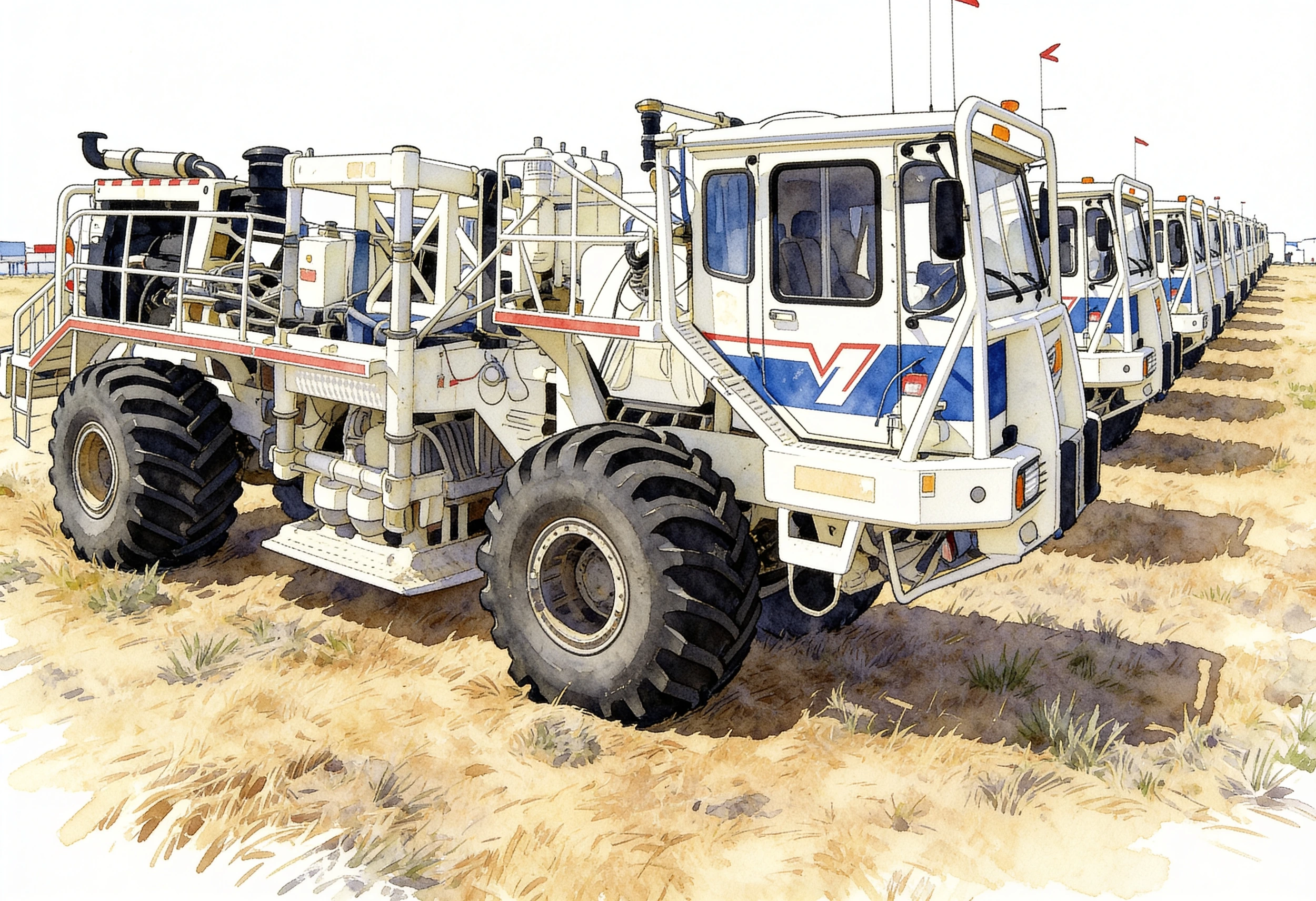
In 2025, KMG's oil and gas condensate production amounted to 26,211 thousand tonnes (544 thousand barrels per day), showing an increase of 10% compared to 2024.
Associated and natural gas production (before reinjection volumes) increased by 20% to 11,450 million m3.
Oil and gas condensate production
26.2million
tonnes
Oil and gas condensate production in 2025, thousand tonnes
| Oil and gas condensate production, thousand tonnes | 2024 (KMG share) | 2025 (KMG share) |
|---|---|---|
| Ozenmunaigas | 5,098 | 5,079 |
| Mangistaumunaigas | 3,085 | 3,083 |
| Embamunaigas | 2,790 | 2,850 |
| Tengiz | 5,562 | 7,802 |
| Kashagan | 2,885 | 3,025 |
| Karachaganak | 1,097 | 1,091 |
| Other | 3,321 | 3,281 |
| Total | 23,837 | 26,211 |
KMG's share of oil production at Tengiz increased significantly to 7,802 thousand tonnes, or 40.3%, mainly due to the completion of the Future Growth Project and the launch of the Third Generation Plant, which increased production capacity.
At Kashagan, production amounted to about 3,025 thousand tonnes, showing an increase of 4.9% due to the stable uptime of production trains.
At Karachaganak, KMG's oil and condensate production amounted to 1,091 thousand tonnes, while gas production reached 2,525 million m³, surpassing the plan due to the fifth compressor commissioning.
The production volume of Ozenmunaigas JSC remained stable at 5,079 thousand tonnes, while the growth in production at Embamunaigas JSC was ensured by the technical commissioning of facilities at the West Prorva field.
Mangistaumunaigas' production amounted to 3,083 thousand tonnes, and among other assets, the significant increase was shown by Ural Oil & Gas LLP due to the full operation of wells.
Tengiz, Kashagan, Karachaganak megaprojects
KMG is actively involved in the country's largest oil and gas projects, including Tengiz (20%), Kashagan (16.88%) and Karachaganak (10%), partnering with international strategic investors.
At the Tengiz field, the Future Growth Project/Wellhead Pressure Management Project (FGP/WPMP) were completed, providing for an increase in annual production by 12 million tonnes.
The Third-Generation Plant obtained the first batch of oil. Currently, the total daily oil production at TCO amounts to about 120 thousand tonnes.
The installation of the fifth injection compressor continues at the Karachaganak field: with the commissioning certificate signed in March 2025. At the same time, the construction of the sixth compressor is now at the active construction phase. The implementation of the proposed initiatives will ensure that hydrocarbon production is maintained at 10–11 million tonnes annually.
At the Kashagan field, production is currently underway as part of Phase 1, while the development of Phase 2 projects is being considered, including Phase 2A, which provides an increase in production to 6.3 thousand tonnes per day by supplying raw gas to the new gas processing plant with a capacity of 2.5 billion m³ per year, as well as Phase 2B, focused on an increase in oil production by 26.5 thousand tonnes per day.
Oil transportation
KMG continues to optimize utilisation of its existing transportation infrastructure and diversify its export routes.
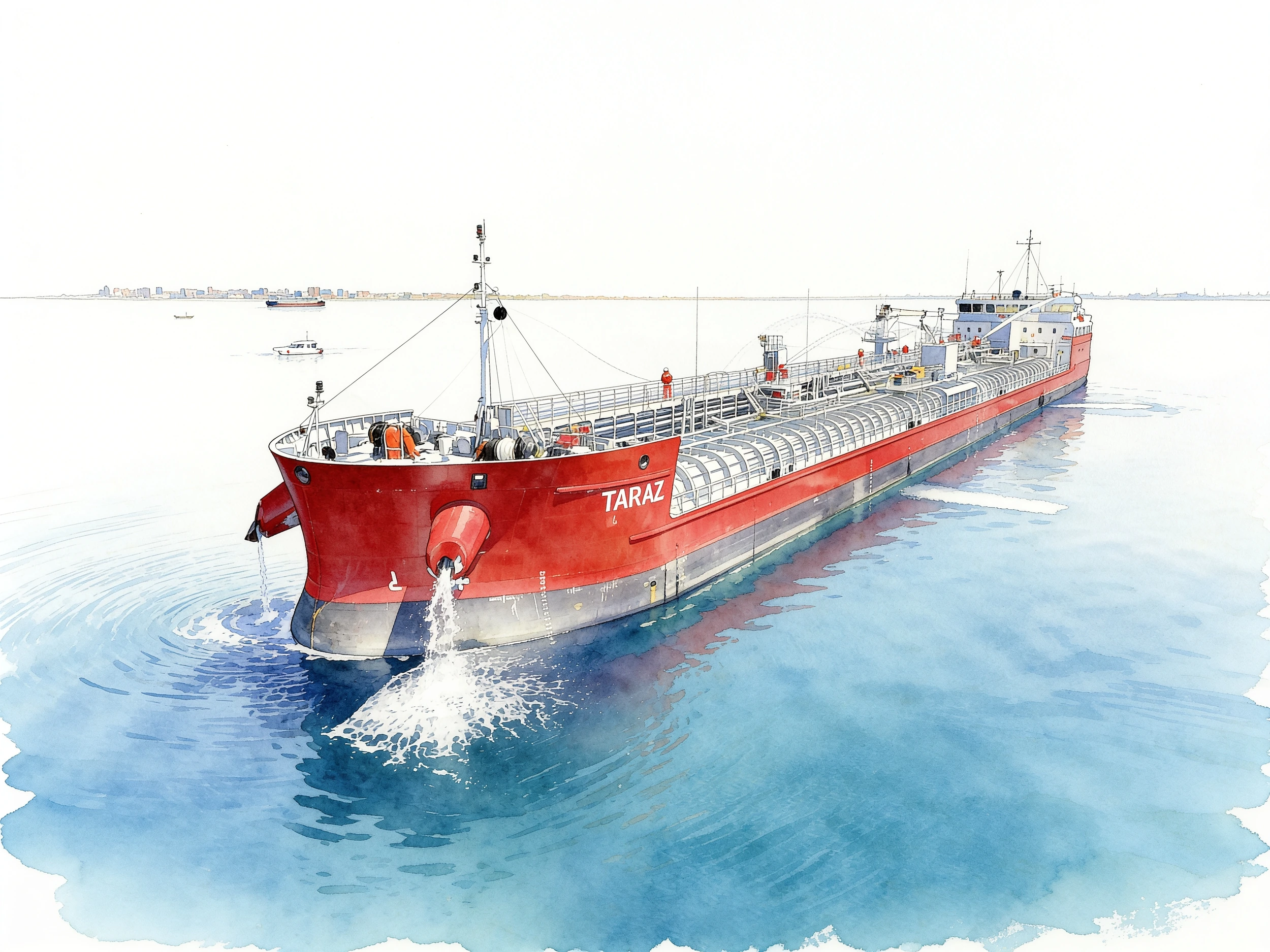
Total oil pipeline and sea transportation amounted to 83.3 million tonnes.
Trunkline oil transportation grew by 3.3% to 72,629 thousand tonnes, driven by an increase in the volume of Tengiz oil through the CPC system due to the implementation of the Future Growth Project, as well as an increase in supplies to the domestic market to refineries.
The volume of oil sea transportation amounted to 10,701 thousand tonnes; the decrease in indicators is explained by a reduction in transportation in the high seas and the temporary suspension of the Aktau-Baku route from August to October 2025.
In 2025, an increase in the volume of oil transportation to Germany was achieved to 2.1 million tonnes, which is 40% higher than in 2024.
Oil transportation volume
83.3million
tonnes
Oil transportation volume in 2025
| Oil transportation 23, thousand tonnes | 2024 (KMG share) | 2025 (KMG share) |
|---|---|---|
| KazTransOil | 44,887 | 45,120 |
| Kazakhstan-China Pipeline | 9,394 | 9,750 |
| MunaiTas 24 | 2,953 | 3,126 |
| Caspian Pipeline Consortium | 13,074 | 14,634 |
| Kazmortransflot | 13,169 | 10,701 |
| Total | 83,478 | 83,330 |
Oil refining and marketing of oil products
In 2025, Kazakhstan's refineries reached a historical maximum of oil refining, showing an increase of 3.2% - 14,698 thousand tonnes. The growth in volumes is ensured by higher feedstock processing volumes resulting from PKOP’s uninterrupted operation and an increase in oil supplies to Pavlodar Refinery to expand the production of light oil products. The volume of refining at KMG International (Petromidia, Vega) plants in Romania increased by 27.9% and amounted to 6,282 thousand tonnes.
Hydrocarbon feedstock processed at Kazakhstan refineries
14.7million
tonnes
Hydrocarbon refinery volume in 2025
| Hydrocarbon refinery, thousand tonnes | 2024 (KMG share) | 2025 (KMG share) |
|---|---|---|
| Atyrau Refinery | 5,547 | 5,471 |
| Pavlodar Refinery | 5,500 | 5,765 |
| PKOP 25 | 2,872 | 3,114 |
| CASPI BITUM 26 | 327 | 348 |
| Petromidia and Vega | 4,912 | 6,282 |
| Total | 19,158 | 20,980 |
The total oil product output at the Kazakhstan and Romani refineries amounted to 20,980 thousand tonnes.
It is important to note that a record refining depth of 90.1% was achieved at the three largest refineries in Kazakhstan. As part of efforts to increase the output of light oil products, their yield across all refineries in the country reached 77.7%, which is yet another all-time high.
Under the project to increase the capacity of the Shymkent Refinery (PKOP) from 6 to 12 million tonnes per year, implemented jointly with partner CNPC, the revision of the preliminary feasibility study was completed.
In addition, construction and installation work began on the construction of a new gas processing plant in Zhanaozen with a capacity of 900 million m³.
The construction of the Karachaganak Gas Processing Plant is progressing within the framework of the Agreement signed with CITIC Construction Co., Ltd.
- A portion of oil volumes may be transported by two or three pipeline companies and, accordingly, these volumes are accounted for more than once in the consolidated volume of oil transportation.
- MunaiTas is a joint venture consolidated using the equity method; therefore, transportation volumes are presented in accordance with the ownership share of 51%.
- The processing volume of PKOP and CASPI BITUM is presented on a 50% basis.
- The processing volume of PKOP and CASPI BITUM is presented on a 50% basis, and for the other refineries – 100%.
Petrochemicals
KMG continues to expand its oil and gas chemicals segment, which offers a substantial multiplier effect for the national economy.
Early construction works of a polyethylene plant with a capacity of 1.25 million tonnes per year in the special economic zone of the Atyrau region have begun. To secure feedstock supply (ethane), construction of a gas separation complex is underway, with early works already initiated. In the reporting year, a final investment decision was also taken to proceed to the implementation phase of the trunkline project for ethane and propane transportation.
The integrated KPI gas chemical complex expanded its product range to 15 grades and manufactured 375 thousand tonnes of polypropylene, with 363.8 thousand tonnes were sold to Europe, China, Turkey and Russia. The KPI domestic market share increased to 67%, which helped to reduce imported polypropylene reliance to 8%.
KMG is considering the construction of a urea production plant with a capacity of 800 thousand tonnes per year to ensure the supply of nitrogen fertilizers both for the domestic and global markets.
The consistent implementation of KMG’s oil and gas chemical projects is driving the expansion of production capacity, increasing output of high value‑added products, and strengthening both domestic processing and export potential.
Sustainable Development
The Company consistently develops its sustainability framework, balancing economic, environmental and social priorities and improving corporate governance.
As part of the Low-Carbon Development Programme, the Company is consistently implementing a set of measures aimed at gradual reduction of carbon intensity and achievement of strategic climate-oriented goals.
KMG joined the OGMP 2.0 methane emissions reporting framework among oil and gas companies, and successfully submitted reports to UNEP.
A 50 MW solar power plant and the Kenderli seawater desalination plant were commissioned in the Mangystau region. In the reporting period, KMG maintained “B” climate rating from Carbon Disclosure Project (CDP). In addition, the Company's sustainability management system received an MSCI ESG rating of “BBB”. This demonstrates the coherence of ESG practices of the Company and its systematic work addressed to climate risk management.
Plans for 2026
KMG will continue to advance large-scale projects in exploration, oil and gas processing, and the supply of refined petroleum products to the domestic market.
Exploration and production
Testing of prospective intervals is planned at the Karaton Subsalt block, along with the drilling of the first exploration well under the Bolashak project. As part of the development of the Rozhkovskoye field, production and condensate output are expected to be delivered in line with planned targets.
The Central Urikhtau field is expected to enter commercial development, with gas production gradually ramping up to design capacity. Rehabilitation efforts at the Uzen and Karamandybas fields will continue, including new drilling and infrastructure upgrades.
Gas segment
To support production growth, the sixth gas injection compressor at Karachaganak is expected to be commissioned. A 1 billion m3 gas processing plant at Kashagan is also due to come on stream. Efforts to expand the resource base and develop gas condensate assets will continue.
Oil transportation
At the CPC Marine Terminal, a scheduled replacement of devices is planned due to the expiration of their service life.
The implementation of the project to purchase two tankers of the Aframax or Suezmax class will continue.
Plans for 2026 also include cooperation with AD Ports Group, including implementing the project to build a 780 TEU container vessel, and the joint design of a feasibility study of trans-Caspian ferry system with ASCO (Azerbaijan) and Kazakhstan Railways.
Petrochemical projects
At the Pavlodar Refinery, the completion of the planned work within the project to increase the output of winter diesel fuel is planned.
In addition, the integrated KPI JSC gas chemical complex of plans to reach its design capacity to produce polypropylene.
Construction of second phase facilities at the gas chemical complex in the Atyrau region, focused on polyethylene production, will continue, including the installation of key processing units and the development of supporting infrastructure.
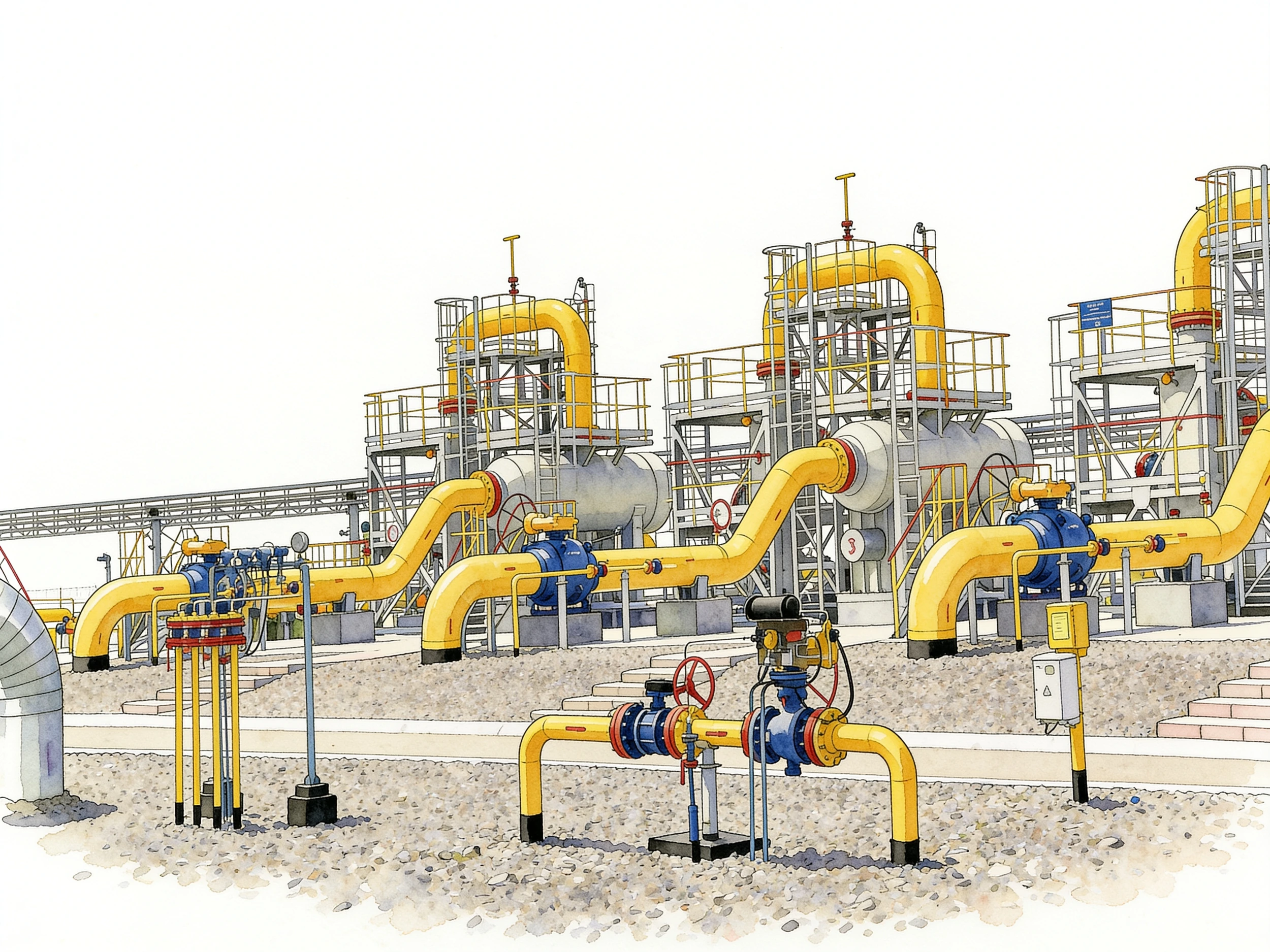
Gas supply to the domestic market

QazaqGaz National Company JSC is a vertically integrated gas company engaged in the management of centralized infrastructure for the transportation of commercial gas through main gas pipelines and gas distribution networks, as well as the provision of international transit and sale of gas in domestic and foreign markets.
In addition, QazaqGaz participates in the design, financing of the construction and operation of pipelines and gas storage facilities in the territories of presence in 14 regions and 3 cities of republican significance - Astana, Almaty and Shymkent.
QazaqGaz, as a national operator in the field of gas and gas supply, manages the largest network of main gas pipelines, the length of which is increasing annually and currently exceeds 21.8 thousand km (including gas pipeline branches of 3 thousand km), and gas distribution networks, the length of which is more than 76.9 thousand km. The development of infrastructure is aimed at improving the reliability of gas supply and expanding the level of gasification of the regions.
Annual throughput
240billion m3
Key performance results 2025
| Indicator | 2024 | 2025 |
|---|---|---|
| Production indicators, billion m3: | ||
| Gas Transportation Volume | 88.4 | 88.9 |
| Volume of gas sold | 25.7 | 25.6 |
| Volume of gas sold (exports) | 5.7 | 5.0 |
| Gas production volume | 0.29 | 0.29 |
| Financial indicators, KZT billion: | ||
| Revenue | 1,259.4 | 1,349.8 |
| Dividends | 22.8 | 0 |
| Net profit | 289.1 | 270.9 |
| Costs | 1,436.8 | 1,502.6 |
| Operating profit | -31.5 | -81.3 |
| Net debt | -25.3 | 80.4 |
| Amount of taxes paid to the budget of the Republic of Kazakhstan | 89.1 | 94.6 |
| Sustainable development indicators: | ||
| Greenhouse gas emissions, thousand tonnes of CO2-eq | 3,997 | 4,180.32 |
| Accidents (injured) | 2 (2) | 2 (2) |
| Including fatal accidents (fatalities) | 0 | 0 |
QazaqGaz continues to implement positive changes: production indicators are improving, the modernisation of the gas transmission system, the construction of socially significant infrastructure projects and the implementation of initiatives aimed at improving the quality of life of the population.
Implementation of the production programme
In 2025, QazaqGaz demonstrated stable operational performance, delivering growth across its key business areas.
- International gas transit volume increased by 4% year-on-year, primarily driven by higher shipments along the Russia–Russia (SON/BU) and Russia–Uzbekistan (CAC) routes.
- Domestic gas sales grew by 2%, supported by increased consumption across all customer segments.
- An additional factor in strengthening the resource base was the commissioning of the Barkhannaya field at the end of 2025.
Expanding the resource base
Recoverable natural gas reserves in Kazakhstan are estimated at 3.8 trillion m³, with approximately 2.7 trillion m³ concentrated in the largest fields – Karachaganak, Tengiz, Kashagan and Zhanazhol.
Amid sustained growth in gas consumption, expanding the resource base remains one of QazaqGaz’s key strategic priorities.
Recoverable natural gas reserves in Kazakhstan are estimated at 3.8 trillion m³, with approximately 2.7 trillion m³ concentrated in the largest fields – Karachaganak, Tengiz, Kashagan and Zhanazhol.
According to the latest assessment, the total remaining reserves within QazaqGaz’s production portfolio amount to 15.2 billion m³, including:
- Amangeldy — 9.52 billion m³
- Airakty — 2.41 billion m³
- Anabay — 2.16 billion m³
- Barkhannaya — 1.07 billion m³
- Zharkum — 0.04 billion m³
Contracts signed in 2025:
- Severny-2 block (Aktobe region) - with a strategic partner KazAzot JSC.
- Akkuduk site (Mangystau region) - with Oil Company KOR JSC.
- Saralzhyn block (West Kazakhstan region) - geological exploration by QazaqGaz Exploration and Production LLP.
- All contracts were concluded following direct negotiations with the Government within the framework of priority rights.
Exploration and growth potential
Exploration results confirm the potential of new areas:
- A gas deposit was discovered at the Maldybai site;
- activities were carried out to restore existing wells (№4, №1) for further development.
The company also conducts a systematic analysis of the gas potential of sedimentary basins in Kazakhstan, including understudied regions, with the aim of expanding its portfolio of prospecting sites.
Investment attraction and partnerships
In 2025, the Company continued its efforts to attract investment into exploration and resource base development:
Key areas of focus:
- implementation of the KT-III project in cooperation with Chevron, including seismic data interpretation;
- development of joint projects with Agip Caspian Sea B.V. for the Kamenkovsky site;
- expansion of cooperation with industrial partners.
The development of partnerships enables the Company to access advanced technologies, mitigate project risks, and optimize the capital expenditures.
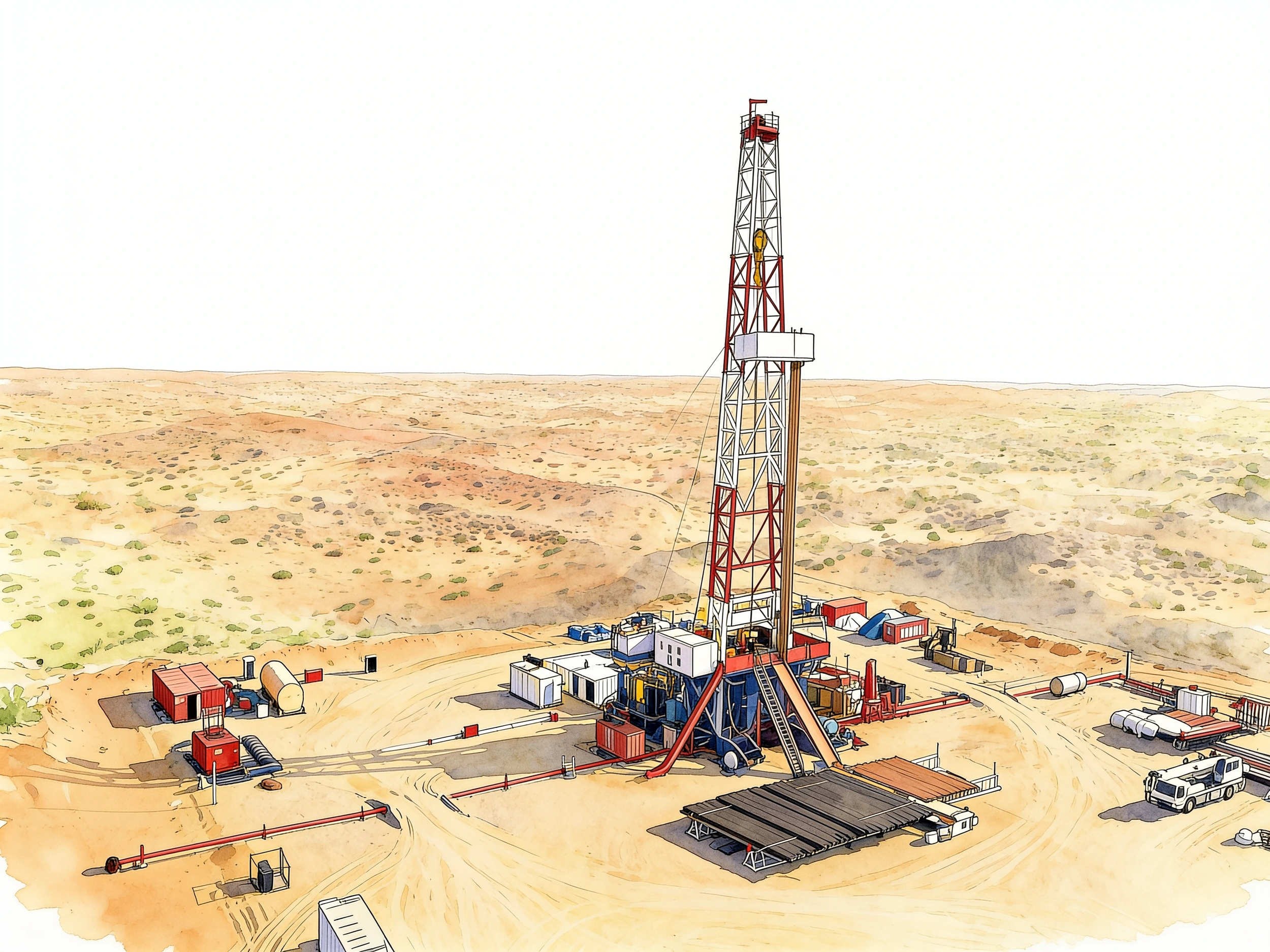
Hydrocarbon production
In 2025, QazaqGaz Exploration and Production LLP successfully fulfilled its production programme, exceeding planned targets.
Natural gas production reached 298.8 million m³ against the plan of 290.4 million m³, while gas condensate production amounted to 11.7 thousand tonnes versus a planned 10.9 thousand tonnes.
As a result of the year:
- natural gas output exceeded the plan by 2.9%;
- gas condensate output exceeded the plan by 7.2%.
The achieved results reflect the stability of production operations and the effectiveness of the programmes implemented to develop and expand production.
| Achieving targets for 2025 | Deviation | |||
|---|---|---|---|---|
| Name | Plan, million m³/thousand tonnes | Fact, million m³/thousand tonnes | million m³/thousand tonnes +/- | Achievement, % |
| Natural gas | 290.412 | 298.795 | 8.383 | 102.9 |
| Gas condensate | 10.986 | 11.775 | 0.789 | 107.2 |
In 2025, drilling of 11 wells was completed, including:
- production wells at the Anabay, Amangeldy, Airakty and Barkhannaya fields;
- appraisal wells aimed at clarifying the resource base.
The work carried out ensures the maintenance of current production levels and the preparation of new reserves for development.
In 2026, the Company plans to continue developing its production assets, including drilling new production wells at the Anabay and Barkhannaya fields, as well as conducting hydraulic fracturing at key fields - Amangeldy, Airakty, Anabay and Barkhannaya.
The implementation of these measures is aimed at maintaining a stable level of production and improving development efficiency.
Gas processing
In line with the instructions of the Head of State, QazaqGaz is implementing projects to construct gas processing plants at the Kashagan field with capacities of 1 billion m³ and 2.5 billion m³ of raw gas per year. In cooperation with the Qatari-based company UCC Holding, a number of agreements have been concluded to attract external investment and arrange project financing. The implementation of these projects will increase raw gas processing volumes, improve processing depth, and expand the country’s commercial gas resource base.
As of the end of 2025, construction and installation works, as well as the installation of process equipment, are ongoing under 1 billion m³ gas processing plant project.
At the same time, preparations are underway for the implementation of the second plant with a capacity of 2.5 billion m³ on the basis of the Kashagan field. Currently, key commercial and technical parameters of the project are being developed jointly with the partner.
Liquefied petroleum gas
In 2025, QazaqGaz continued implementing the agreements reached in 2024 with partners of the North Caspian Project on the purchase of liquefied petroleum gas (LPG) from the Kashagan field, with the participation of the Ministry of Energy of the Republic of Kazakhstan and PSA LLP.
Following these agreements, in May 2025 an agreement was signed with Eskene LPG LLP (the project operator) for the provision of services for the collection, transshipment, and fractionation of liquefied petroleum gas from the Kashagan field. As part of the project, the operator undertakes the construction of production facilities and related infrastructure at its own expense in exchange for a long-term tariff.
As of the end of 2025, construction and installation work is underway for the main project facilities, including a gas fractionation plant, pipeline system, power infrastructure, and linear facilities. The main process equipment has been delivered to the site, and its installation is being installed.
The implementation of the project will ensure stable supplies of LPG to the domestic market, reduce the shortage of this type of fuel, and create conditions for the further development of the gas chemical industry of the Republic of Kazakhstan.
Development and modernisation of gas transmission infrastructure
In 2025, QazaqGaz continued the development of gas transportation transmission infrastructure aimed at improving the reliability of gas supply and expanding the level of regional gasification.
The construction of the Taldykorgan-Usharal main gas pipeline, with a length of 302 km was completed, along with six automated gas distribution stations with branch pipelines. The implementation of the project will provide natural gas to approximately 84 settlements in the Aksu, Sarkan and Alakol districts, contributing to improved quality of life, better environmental conditions, and fostering entrepreneurial activity.
Within the framework of the strategic partnership between the Republic of Kazakhstan and the State of Qatar, the construction of the second line of the 1,450 km Beineu-Bozoi-Shymkent main gas pipeline continues. The project is designed to enhance gas supply reliability in the southern and central regions of the country.
Simultaneously, work is underway on the construction of the KS-14 compressor station and the “KS-14-Kostanay” gas pipeline, which will help meet growing gas demand from industry and the population. Consistent infrastructure development is driving an increase in the gasification rate. According to the Ministry of Energy of the Republic of Kazakhstan, as of January 1, 2026, the level of gasification reached 64.2%, corresponding to access to gas for approximately 13 million people.
In 2025, work also continued on new infrastructure projects. A memorandum was signed with Gazprom PJSC on the implementation of the Ishim-Astana gas pipeline, aimed at supplying gas to the northern regions and the capital.
At the same time, the issue of tariff unprofitability persists in the domestic market: at the end of 2025, QazaqGaz's recorded losses of KZT 226.3 billion, driven by a mismatch between wholesale price level and rising cost of transportation and purchase of gas.
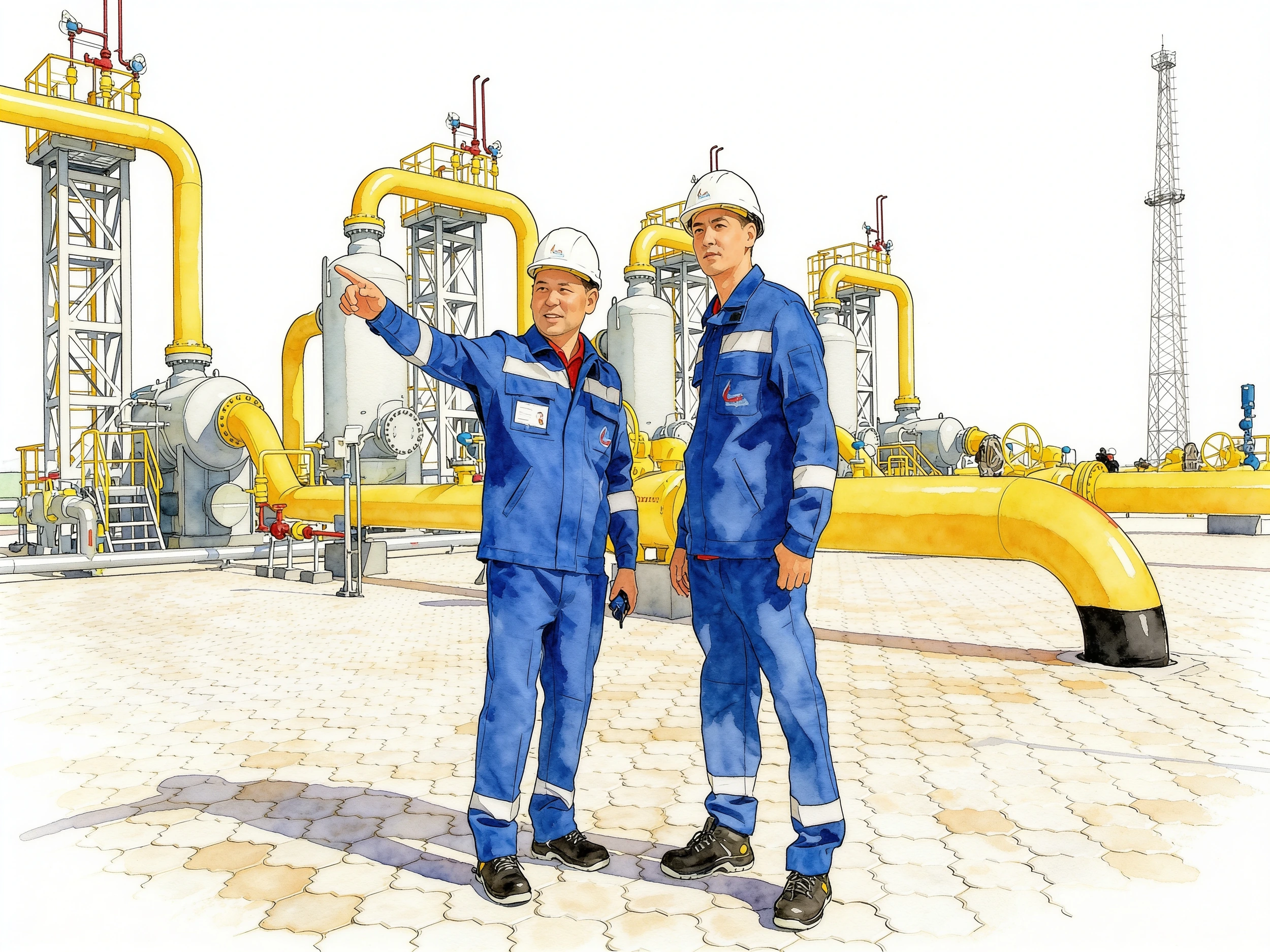
Strengthening transit capacity
QazaqGaz consistently implements initiatives to expand and strengthen its transit potential, ensuring the development of international gas transportation corridors.
As part of the preparation of the Central Asia-Centre main gas pipeline for the transporting additional gas volumes along the Russia-Uzbekistan route, a comprehensive set of works was carried out in 2024-2025 to repair and replace defective pipeline sections, including the activities on the dedicated SAC-4/SAC-5 route.
The implemented measures have resulted in increased transit volumes and improved throughput capacity of the gas transportation system. Gas transit volumes have shown steady growth, increasing from 1.28 billion m³ in 2023 to 5.64 billion m³ in 2024 and 6.5 billion m³ in 2025.
By the end of 2025, the actual transit volume exceeded the planned target by 1 billion m³, reaching 6.5 billion m³ against the plan of 5.5 billion m³, demonstrating ahead-of-schedule achievement of target indicators.
In 2026, further growth in transit volumes to 7.3 billion m³ is envisaged.
As part of the second phase of the project development along the CAC-4 route, an increase in transit volumes to 11 billion m³ per year is being considered.
Additionally, in 2025, an agreement was signed to expand gas supply routes, providing for the transportation of additional volumes to the northern regions of the Kyrgyz Republic through the territory of Kazakhstan.
Gas transit volume
6.5billion m³
Gas sales for export and domestic market
Gas sales in the domestic market remain a priority for QazaqGaz and a key element in ensuring reliable gas supply to the population and industry.
In 2025, the company continued to fulfil its obligations under the contract with Gazprom Export LLC for the supply of Russian gas to Kazakhstan. Imported gas supplies are used as an additional tool to balance supply and demand, including during peak consumption periods, as well as during scheduled and unscheduled maintenance at production facilities of domestic subsoil users.
At the same time, QazaqGaz ensures stable fulfilment of its export obligations. Natural gas supplies to China under a long-term contract with PetroChina International Alashankou Company Limited (2023-2026) are carried out in agreed volumes and without compromising the domestic market supply.
Thus, the company maintains a balanced model of resource allocation, prioritising domestic consumption while preserving its export positions.
Sustainable Development
QazaqGaz continues the systematic integration sustainable development principles into its operations and corporate governance.
The Company prepares non-financial reporting in accordance with GRI standards, ensuring transparent disclosure of environmental, social and governance indicators. In 2025, a Progress report under the UN Global Compact was presented, confirming the company’s commitment to international sustainable development principles.
During the reporting year, the Low-Carbon Development Programme for 2025–2033 was approved, including measures aimed at reducing greenhouse gas emissions, improving energy efficiency and modernising production processes.
Progress in ESG development has received external recognition:
- the MSCI rating agency assigned the company a rating of "A";
- according to RAEX, the company received 4 stars, corresponding to a "very high" level of reporting quality;
- in the PwC TOP 50 ESG Disclosure Companies in Kazakhstan ranking, the integrated report ranked 7th overall and 2nd among oil and gas companies in Kazakhstan.
Plans for 2026
In line with its Development Strategy, QazaqGaz will continue to work in the following areas:
- conducting geological exploration at key sites under existing subsoil use contracts;
- obtaining licenses for geological exploration, including in underexplored and promising regions of the country;
- expanding the resource base and diversifying the project portfolio by including new perspective subsoil areas in the state subsoil management programme and assigning them to QazaqGaz;
- implementing the project for the construction of a 1 billion m³ gas per year gas processing plant at the Kashagan field;
- advancing the second gas processing plant project for 2.5 billion m³, focused on the processing of Kashagan raw materials;
- continuing the construction of the KS-14 compressor station and the “KS-14 – Kostanay” main gas pipeline, as well as progressing work on the second line of the Beineu - Bozoy – Shymkent main gas pipeline.
Development of chemical production
Samruk-Kazyna Ondeu LLP was established in 2009 by the decision of the Board of Directors of Samruk-Kazyna JSC. The main mission of the Company is to develop the chemical industry in the Republic of Kazakhstan through rational and effective investments in chemical projects, as well as the formation of advanced competencies.
Sulphuric acid production volume
202.01thousandtonnes
Key performance results 2025
| Indicator | 2024 | 2025 |
|---|---|---|
| Production indicators: | ||
| Liquid glyphosate production volume, thousand litres | 175.76 | 158.00 |
| Sulphuric acid production, thousand tonnes | 197.88 | 202.01 |
| Electricity production, thousand kWh | 1,743.01 | 2,124.60 |
| Financial indicators, KZT billion: | ||
| Revenue | 39.3 | 52.02 |
| Gross profit | 13.5 | 16.89 |
| Net profit | 24.7 | 12.37 |
| Costs | -37.2 | (48.99) |
| Operating profit | 12.68 | 6.82 |
| Net debt | -10.7 | (1.70) |
| Amount of taxes paid | 3.9 | 3.70 |
| Sustainable development indicators: | ||
| Greenhouse gas emissions, tonnes of CO2-eq | 794.315 | 844.928 |
| Accidents (injured) | 0 | 0 |
| Including fatal accidents (fatalities) | 0 | 0 |
The growth in electricity and sulphuric acid production volumes in 2025 enabled SK Ondeu LLP to increase its revenue by 10% compared to 2024.
SSAP LLP remains one of the key technological enterprises ensuring the production of sulphuric acid for the needs of the uranium mining industry.
By the end of 2025, sulphuric acid output at the SSAP LLP production site exceeded the company’s annual design capacity by 4%. This growth was achieved through optimisation of production processes and the improvements in preventive maintenance scheduling, which reduced downtime and enhanced operational efficiency. The company's financial performance also showed a positive dynamic: net profit amounted to KZT 2.96 billion, exceeding the plan by KZT 623 million (27%).
KUS LLP continues to provide power and water supply to the enterprises located in the National Industrial Petrochemical Technopark Special Economic Zone.
In 2025, the company exceeded its planned targets as follows:
- electricity generation - by 18%;
- electricity sales - by 19%.
Net profit reached KZT 7.4 billion, which is 39% above the planned level.
The decline in liquid glyphosate production (CHEM-plus LLP) was due to the non-competitive pricing, resulting in weak demand from customers.
Sulphuric acid production 800,000 tonnes per year (TQZ LLP Project)
TQZ LLP acts as the operator of the project for the construction of a sulphuric acid plant in the village of Taikonur, Turkestan region, with a design capacity of 800 thousand tonnes per year. The project is aimed at reducing the dependence of the uranium mining industry on imported sulphuric acid and ensuring a stable supply of raw materials.
The project is being implemented by Kazatomprom-SaUran LLP (40%) in partnership with the private company Asia Pipeline (60%). At the same time, the share of Kazatomprom-SaUran LLP is under trust by SK Ondeu.
In 2025, debt financing was successfully secured.
Construction works have been initiated in accordance with the established procedures, and orders have been placed for the supply of technological equipment.
To ensure uninterrupted supply of raw materials for the project, SK Ondeu entered into a relevant agreement with Tengizchevroil LLP (TCO).
Electricity Generation (CCGT power plant project (165 MW))
The planned combined cycle gas turbine power plant (CCGT) with a capacity of 165 MW is intended to provide reliable and uninterrupted power supply to strategically important petrochemical production facilities, as well as other residents of the National Industrial Petrochemical Technopark in the Atyrau region. The new power unit will complement the existing 310 MW CCGT plant.
As part of the project, technical and commercial proposals have been obtained from leading global companies for equipment manufacturing, supply and construction.
Production of butadiene and its derivatives
The project for the production of butadiene and its derivatives is being implemented within the special economic zone for the development of petrochemistry in the Republic of Kazakhstan at the Karabatan site, located 43 km from Atyrau.
The project operator is Butadien LLP.
The project involves processing of a butane feedstock supplied by Tengizchevroil LLP to produce a wide range of petrochemical products.
Under the project, production of five types of products is planned, including:
- styrene-butadiene-styrene thermoplastic elastomer (TPE) - up to 30,000 tonnes;
- styrene-butadiene rubber - up to 60,000 tonnes;
- butadiene - up to 45,000 tonnes;
- isobutane-isobutylene fraction - up to 130,000 tonnes;
- methyl tert-butyl ether (MTBE) - up to 40,000 tonnes.
The project is export-oriented, targeting markets in Europe, CIS countries, China, Turkey and other regions.
An expanded basic design has been developed by the end of 2025.
Sulphur Trading Integration
Under the existing commission agreement with Tengizchevroil LLP, SK Ondeu sold 214.7 thousand tonnes of Sulphur in 2025.
These supplies are aimed at providing domestic Sulphuric acid plants with raw materials. In 2026, sales of 213.4 thousand tonnes of Sulphur are planned, which will help maintain a stable market supply.
Plans for 2026
Work is planned for 2026:
- 165 MW CCGT power plant project - development of design and estimate documentation and placement of orders for long-term production equipment;
- TQZ project - equipment delivery and launch of production;
- Butadien project - development of an expanded basic design for the second process unit.