Center for Social Cooperation and Communications

To effectively regulate social and labour relations and strengthen social partnership within the Fund Group, the Center for Social Interaction and Communications operates.
Its goal is to prevent social and employment conflicts, maintain social, sanitary-epidemiological and psychological well-being, strengthen the corporate identity of production personnel and identify signs of protest through the development and implementation of best practices for effective management of social and labour relations and communications.
In order to establish a unified social policy strategy across the Samruk-Kazyna Group, a Corporate Social Policy Standard has been developed and implemented. The document is aimed at improving the social sustainability of companies, introducing a proactive approach to minimizing social, legal and reputational risks, ensuring decent working conditions, as well as the formation of unified approaches, standards and metrics for managing the social and labour relations and developing internal expertise in the social area.
Samruk Research Services
Since 2013, the CSCC has been implementing a comprehensive sociological study of social stability by Samruk Research Services (SRS), which is the Foundation's key analytical tool in the field of social risk management.
The study is conducted on a regular basis in all portfolio companies and provides a systematic diagnosis of social and labour relations. The SRS index serves as an early risk detection system, enabling the identification of potential issues at an early stage and the timely implementation of preventive measures.
According to the results of the 2025 study, the Social Stability Index (SRS) was 75%, which is 3 percentage points higher than the level of 2024. More than 77 thousand respondents took part in the study, covering 10 portfolio companies and 89 subsidiaries and affiliates of the Fund.
Social Stability Index (SRS) was 75%
The survey is conducted twice a year, allowing to track the dynamics of indicators and quickly respond to changes. The results are integrated into the management practices of companies and are used to identify risk areas, prioritize decisions and develop corrective measures.
In 2025, analytical tools and reporting automation were expanded, resulting in the preparation of more than 140 analytical reports and approximately 3,000 automated reports, thereby improving the quality of management decision-making.
Social Stability Monitoring Centre
The Social Stability Monitoring Centre collects and analyses operational data on preconditions or facts of social tension in labour collectives through five communication channels: e-mail, phone, WhatsApp messenger, website and QR code.
In 2025, 1,748 appeals were registered across portfolio companies, including 249 related to social and labour relations. All appeals were processed; in 2.4% of cases, the facts were confirmed and appropriate measures were taken.
To increase transparency, a feedback system has been established that allows employees to assess the quality of appeal consideration. Additionally, an interactive Social Stability Map is in operation, along with Fund's Operational Headquarters for coordinating actions in crisis situations.
The SSMC also supervises the work of the Ombudsman Council and organizes an annual forum for the exchange of best practices.
In 2026, it is planned to introduce artificial intelligence tools to improve the efficiency of monitoring, analysing and predicting of social stability.
Social Measurement
Since 2025, the Fund's Group has been implementing the Social Measurement tool to assess working conditions, managing social risks and preventing possible human rights violations.
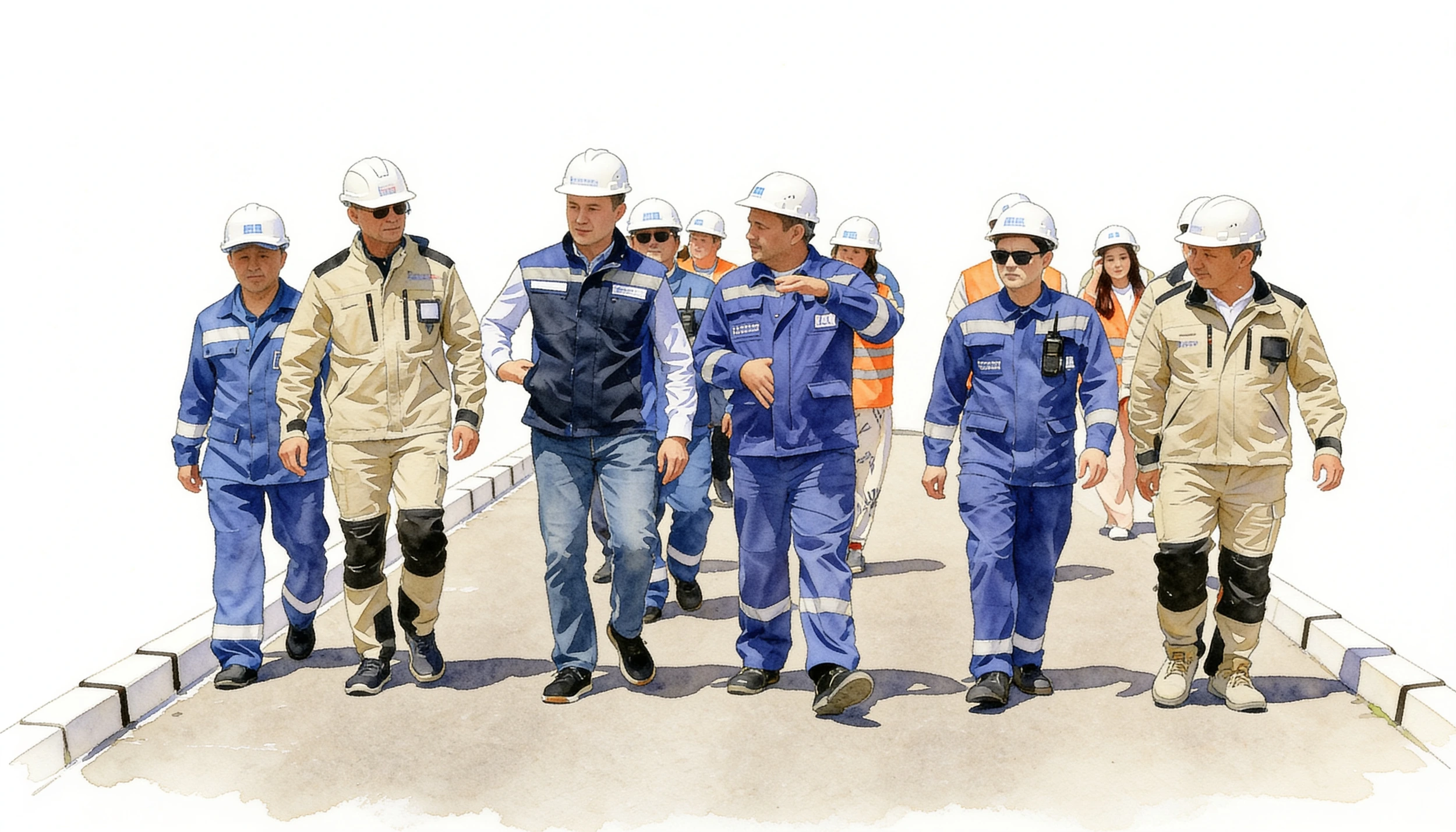
The project covered 106 organizations from 10 portfolio companies in 17 regions and three cities of national significance. A comprehensive assessment of working conditions, compliance with occupational health and safety requirements and the level of employee social satisfaction was carried out, including field inspections and 318 focus groups.
The project has confirmed its effectiveness as a social risk management tool, allowing companies to identify priority areas for improvement, and employees to receive an additional feedback channel.
In 2026, work on social measurement will continue with further improvement of the methodology and tools.
Youth policy
The Fund's Group employs about 80,000 young professionals, who form a significant talent pool. To increase their involvement and develop competencies, a set of initiatives is being implemented within the framework of youth policy.
A competence centre has been created, and the annual forum among young professionals serves as a platform for identifying leaders and developing corporate initiatives. The Zheti Kadam programme is a key tool for developing management and leadership competencies. In 2025, the programme was expanded with new modules "7 Qadam Master" and "7 Qadam PRO". Participants demonstrated high results, winning 15 prizes at the international championships AtomSkills and High-Tech-2025.
The development of horizontal cooperation is ensured through the “Birgemiz Expedition” programme, which covered more than 10,000 participants from 19 regions of the country in 2025.
Active participation of young people contributes to the development of corporate social responsibility. In 2025, 70 charity events were implemented, and 527 sports events were held.

Taza Kazakhstan
As part of the republican environmental initiative “Taza Kazakhstan” the Fund's Group is implementing a set of systemic measures to form an environmental culture, reduce the negative impact on the environment and improve the areas of operation.
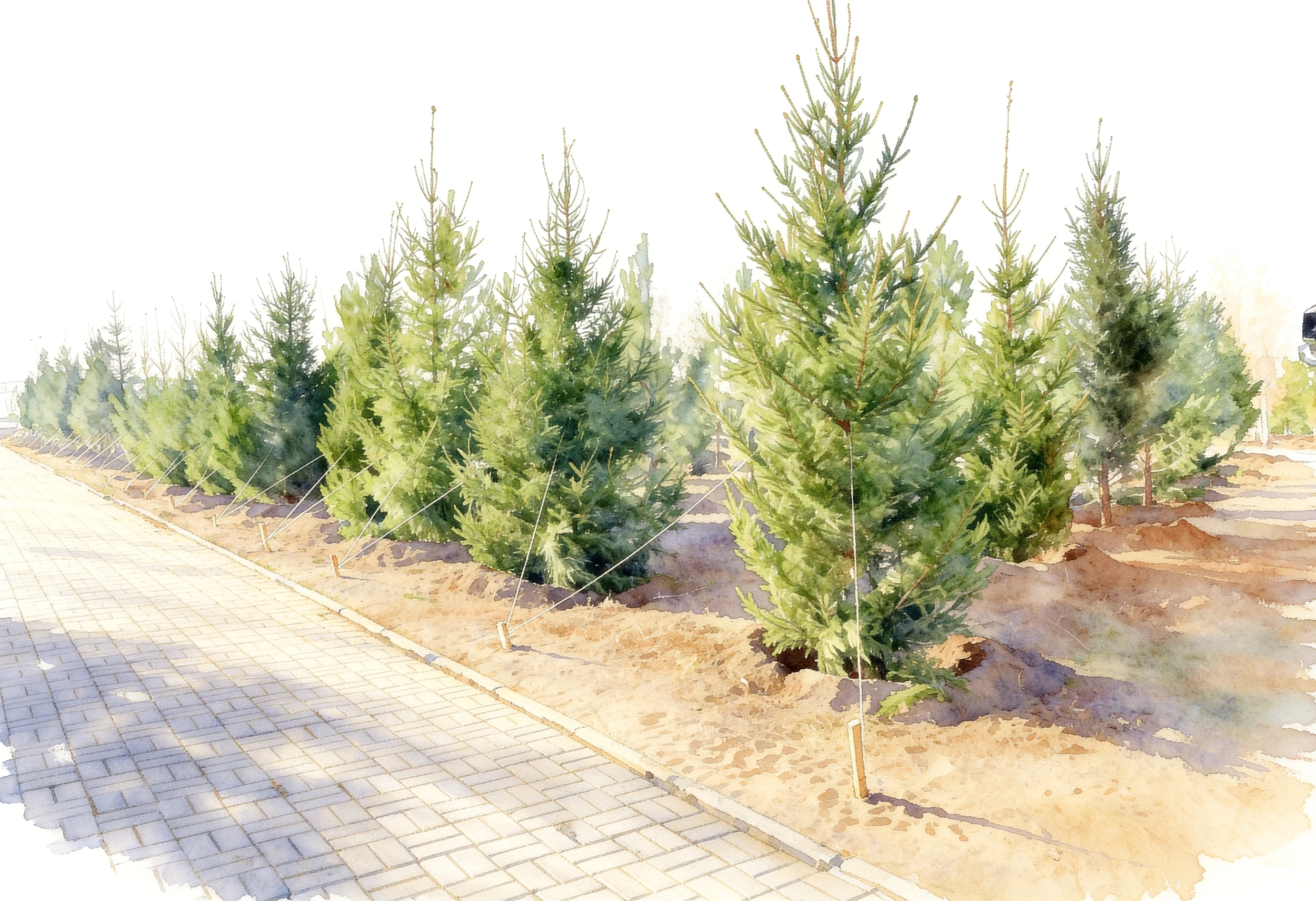
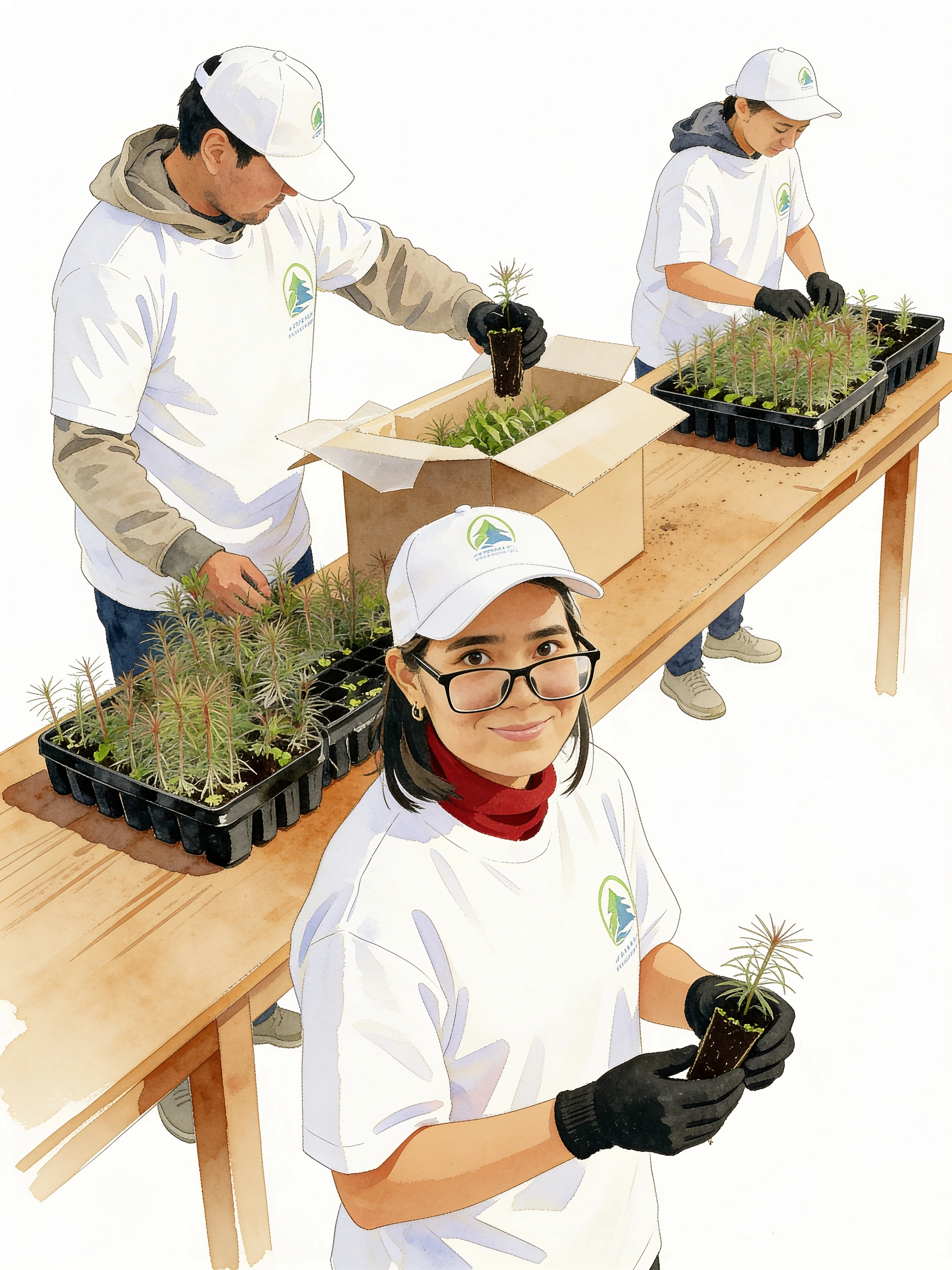
Mass environmental campaigns and clean-up activities are conducted at production sites and in public areas. In 2025, more than 1,600 clean-ups events were organized, over 200 eco-educational trainings and seminars were held to increase the environmental awareness of employees and local communities. As part of the initiative, more than 1.3 million trees were planted during the reporting period at operational sites and in adjacent areas.
Over the past two years, a total of 5.8 million trees has been planted nationwide. Landscaping and environmental improvement activities will continue on a systematic basis.
A separate waste collection system is being actively implemented, supported by corporate and community initiatives for the collection of paper, plastic and used batteries.
Plans for 2026
- Conducting an annual study of social stability Samruk Research Services with subsequent analysis and providing recommendations for improving the level of social stability in portfolio companies.
- Constant monitoring of social stability.
- Implementation of AI agents to automate the process of receiving and considering complaints and appeals.
- Social measurement in the production facilities of the Group to assess social and living conditions.
- Implementation of proactive measures to protect human rights, including the integration of human rights due diligence mechanisms.
- Continue landscaping the territory of Kazakhstan within the framework of the republican programme “Taza Kazakhstan” with the involvement of all portfolio companies of the Fund, including the planting of 1 million seedlings.