


Care for the health and safety of our employees
Occupational safety activities are implemented on the basis of the Production Safety Policy, the Corporate Standard on Production Safety Management, the 2024–2028 Strategy for Developing the Production Safety Management System of Samruk-Kazyna JSC, and an annual Action Plan. These documents establish unified rules for the entire Group and apply not only to Fund employees but also to subsidiaries and affiliates and to contractors operating at production sites.
Our health and safety policy enshrines the right of employees to refuse to work where there is a threat to life or health. We regard this right as an integral part of our safety culture, within which an employee can halt a hazardous operation without risking adverse consequences.
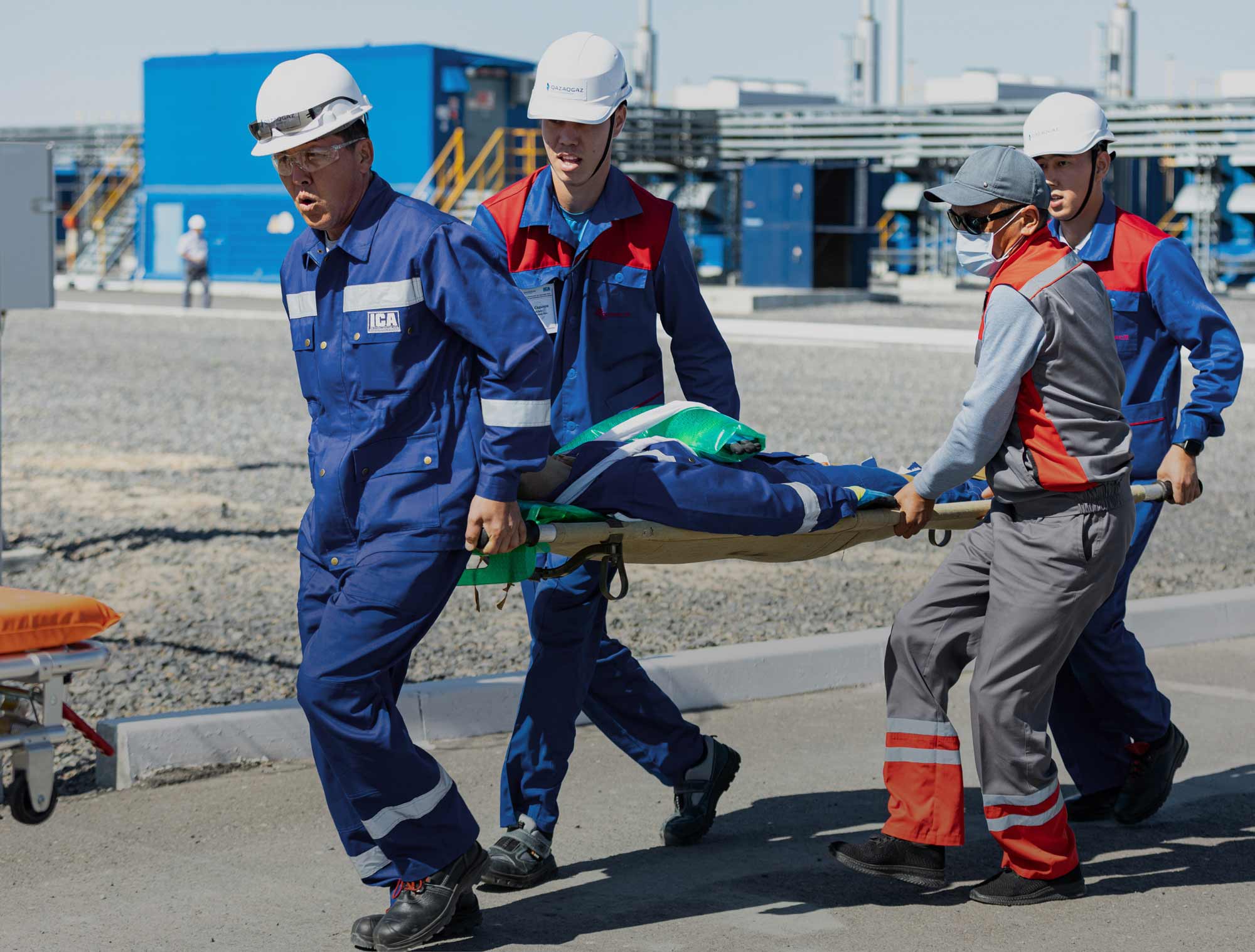
In 2025, we focused our efforts on four key areas:
People and enhancing the safety culture
Ensuring safety during equipment operation
Prevention of emergencies
Information and awareness-raising activities
People and enhancing the safety culture
Over the course of the year, we updated our Corporate Standard, continued to develop our employees’ professional skills, and strengthened the exchange of best practice between Group companies. In 2025, we held three HSE Committee meetings, two of which were attended by the CEO of the Fund and CEOs of portfolio companies, ensuring that occupational safety issues were addressed at a higher level of management.
We pay particular attention to training. All employees undergo mandatory training in production safety as required by legislation - on average 19 hours per year per employee. In addition, more than 40% of employees receive training based on international practice - on average 47 hours per employee.
Employees undertook international courses from NEBOSH, IOSH and ‘Defensive Driving’, whilst managers completed the ‘Industrial Safety Leader’ modular programme, approved by the UK Health and Safety Institute. Production workers and staff from contractors were trained on the ‘Workplace Safety Culture’ course, which is also accredited by the Institute.
Practical training sessions focused on critically important activities, including the use of defibrillators, fire and transport safety, and the performance of high-hazard work. To exchange experience, specialists visited the facilities of Dunga Operating GmbH.
Particular attention has been paid to employees' health. In the reporting year, an expanded seminar was held with the participation of international experts and a master class on medical examinations and staff health protection.
Every year, we conduct a safety culture assessment, which demonstrates a high level of engagement among both managers and employees. In 2025, 7,167 people took part in the survey; the average across the Fund Group was 89% (87% in 2024).
Ensuring safety during equipment operation
In 2025, equipment-safety improvements were delivered in line with the technical re-equipment plans for 2024–2027.
Under the approved plans, we replaced operational equipment, carried out major repairs of buildings and structures and purchased road and special-purpose vehicles. These measures improved the reliability and safety of operational processes.
Technical retrofitting
Audit results and contractor engagement
Proactive tools
Prevention of emergencies
In 2025, we continued our work on accident prevention and emergency-response readiness. The Fund took part in a facility-level exercise on the safe passage of the spring flood on the territory of Shulbinskaya HPP LLP, and in an emergency-response exercise on accident response at a hazardous production facility of CASPI BITUM JV LLP.
At the same time, we updated emergency-response plans for floods, earthquakes, hurricanes, epidemics and pandemics.
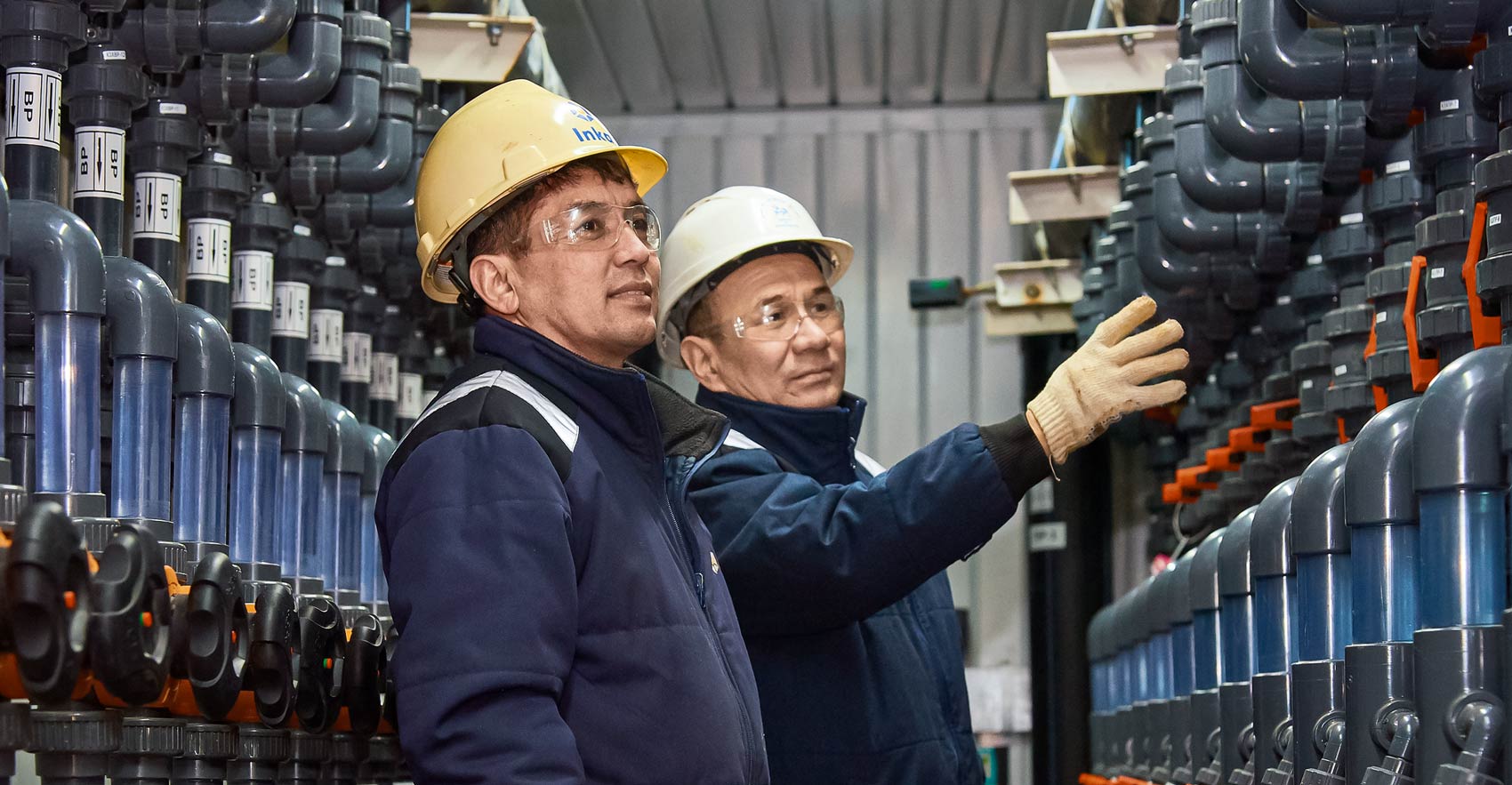
To maintain staff preparedness, we held 284 training drills at hazardous production sites, 597 drills in administrative buildings and 33 drills in shift-worker housing. We also organised 321 hands-on first-aid training sessions using simulation equipment.
Information and awareness-raising activities
In 2025, communication on production-safety matters became more open and substantive. Risk discussions took place directly with employees - through round tables, themed sessions, meetings with injured parties and the analysis of accident causes.
During the reporting period we held over 1,800 such discussions, issued 55 information bulletins and received 595 employee proposals for improving the industrial-safety management system.
At the same time, we improved the transparency of control procedures. We developed dashboards, contractor event- and incident-tracking systems and operational monitoring tools. Through the Industrial Relations procedure, employees were able to assess safety levels and report identified issues. This format made it possible to spot weak points sooner and maintain continuous feedback with the operational site.
The results of the work conducted are reflected in the trends in key safety indicators. In 2025, compared with 2024, most indicators improved: the number of injuries fell by 27%, serious injuries by 16%, and fatalities due to sudden illness by 29%. The Lost Time Injury Frequency Rate (LTIF) stood at 0.12, a reduction of nearly 8% compared with 2024. This is an important signal for us: measures to strengthen workplace safety are delivering results.
That said, the year was difficult in its consequences: 16 employees lost their lives as a result of work-related incidents. Each case was investigated in detail, and the conclusions and corrective measures were shared with all Group companies to prevent the recurrence of similar incidents.
We also analysed occupational injuries over a five-year period, which allowed us to identify the main causes of accidents and build a generalized profile of injured workers. The most frequent causes of severe outcomes are collapses and falling objects, worker falls, contact with moving parts and machinery, road traffic accidents and electric shock. The analysis showed that a significant share of incidents is associated with deficiencies in work organisation and violations of safety requirements.
Digital solutions and AI
In 2025, we took another step towards a modern and effective production-safety management system.
Through the Samruk App platform, reporting on the delivery of the Production-Safety Action Plan has been moved to a single-window format, which has accelerated data collection, improved the transparency of controls and provided management and specialist functions with prompt access to consolidated information on the Group.
At the same time, digital solutions already showing practical effects are being introduced at production sites. In particular, video-analytics systems for detecting potentially hazardous actions and situations are being developed.
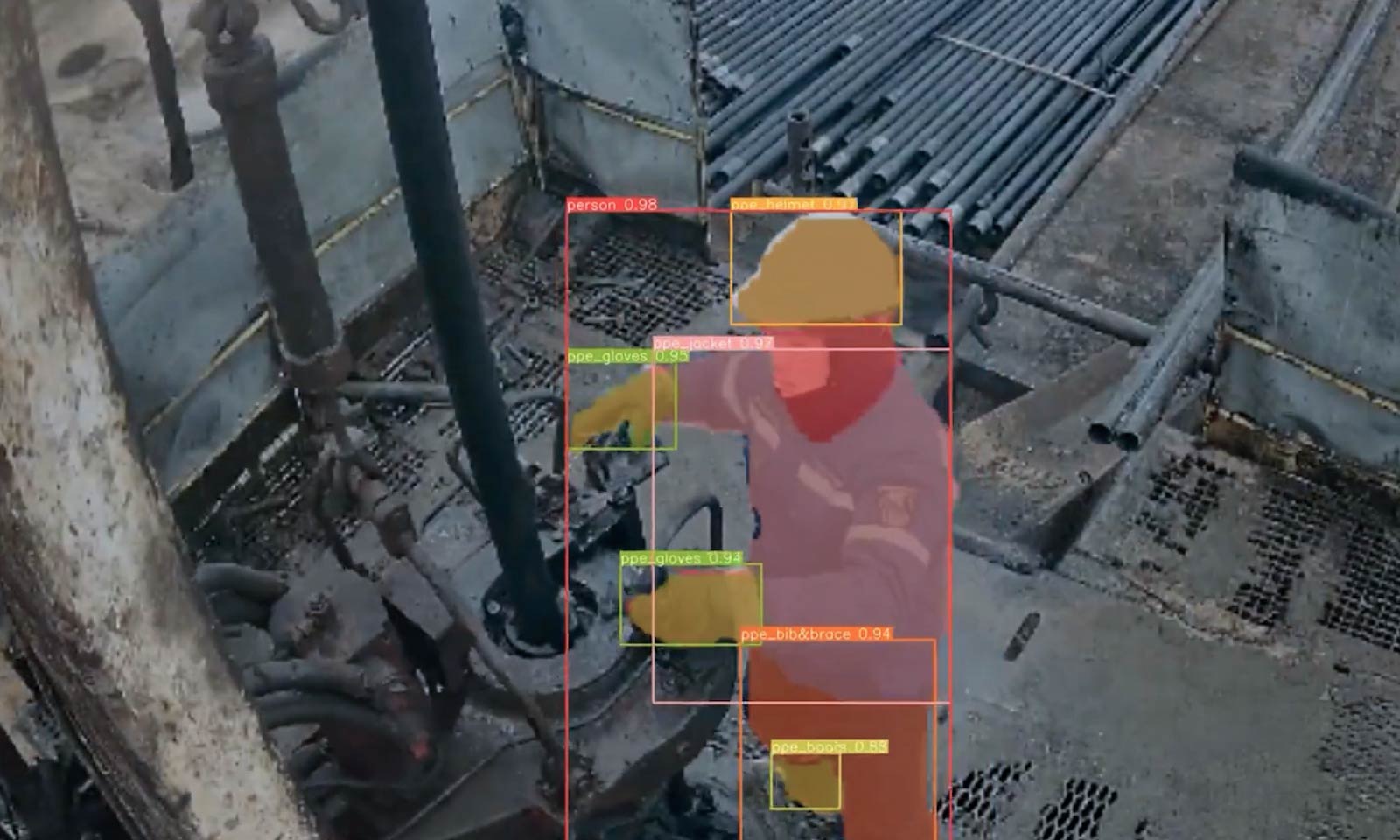
TUMAR — protecting lives at wells
The system analyses the video feed in real time during workovers and capital well repairs. The algorithm detects hazardous situations: incorrect employee position, absence of PPE, breach of the work zone. On detecting a threat - an immediate light or sound signal. The model has been trained on 15,000 real images from production sites, with more than 183,000 objects labelled across 16 classes.
Deployed at NC KazMunayGas JSC
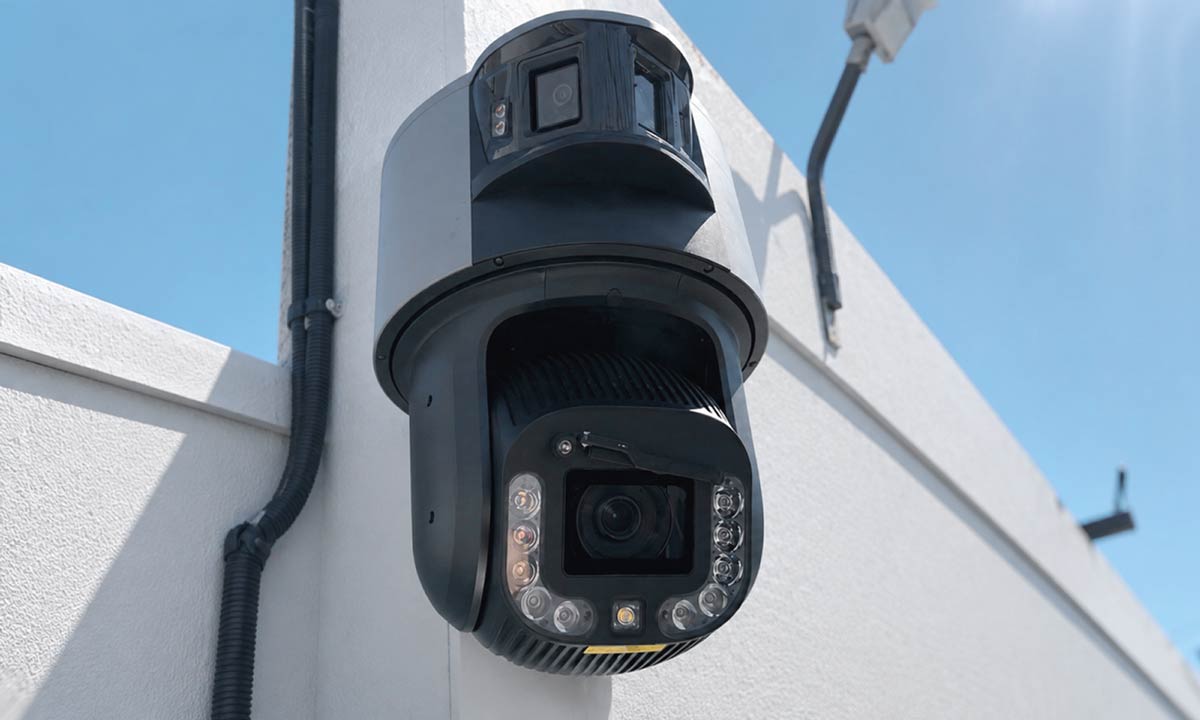
Video analytics of safety violations
An intelligent video-surveillance system records violations of safety requirements at production sites in real time: presence in restricted areas, work without PPE, unsafe behaviour. Following deployment at AlES, the number of violations fell by nearly 70%.
Deployed at NAC Kazatomprom JSC, Samruk-Energy JSC and KEGOC JSC
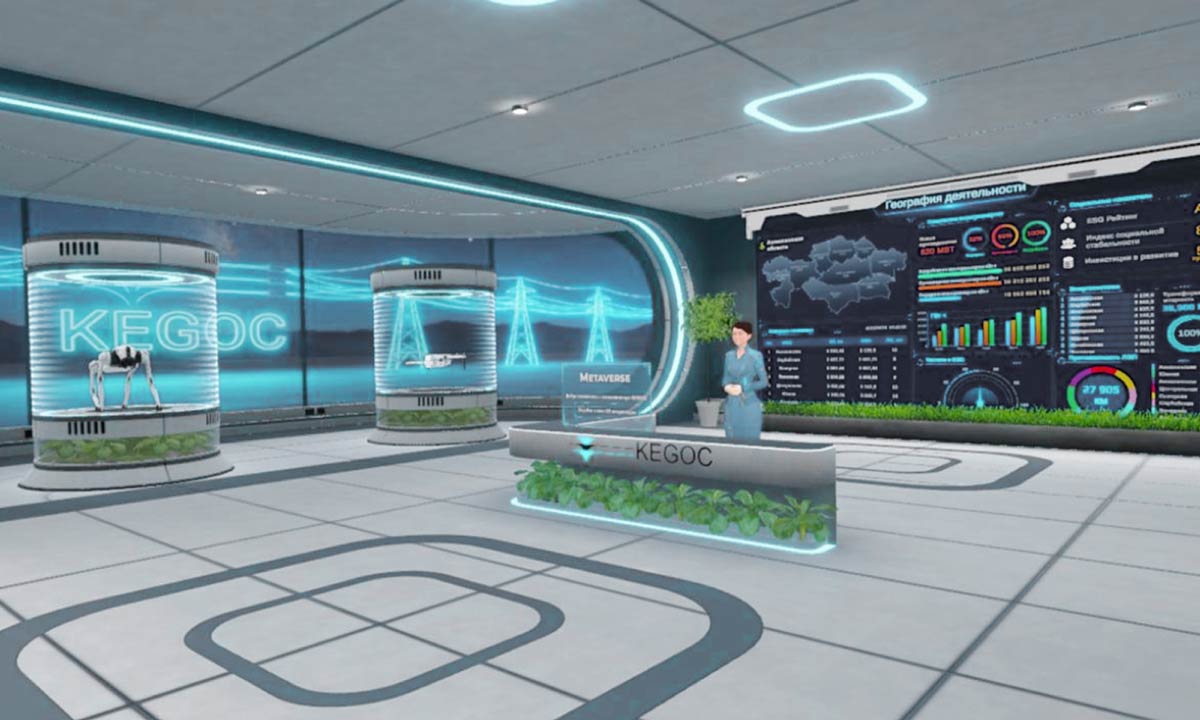
VR simulators: safety without risk
Virtual-reality technologies allow employees to practise actions in emergencies and abnormal situations repeatedly without risk to life or to expensive equipment. For example, an employee runs through a simulation of a fire at a substation, equipment failure or an emergency shutdown in a safe virtual environment.
Deployed at KEGOC JSC
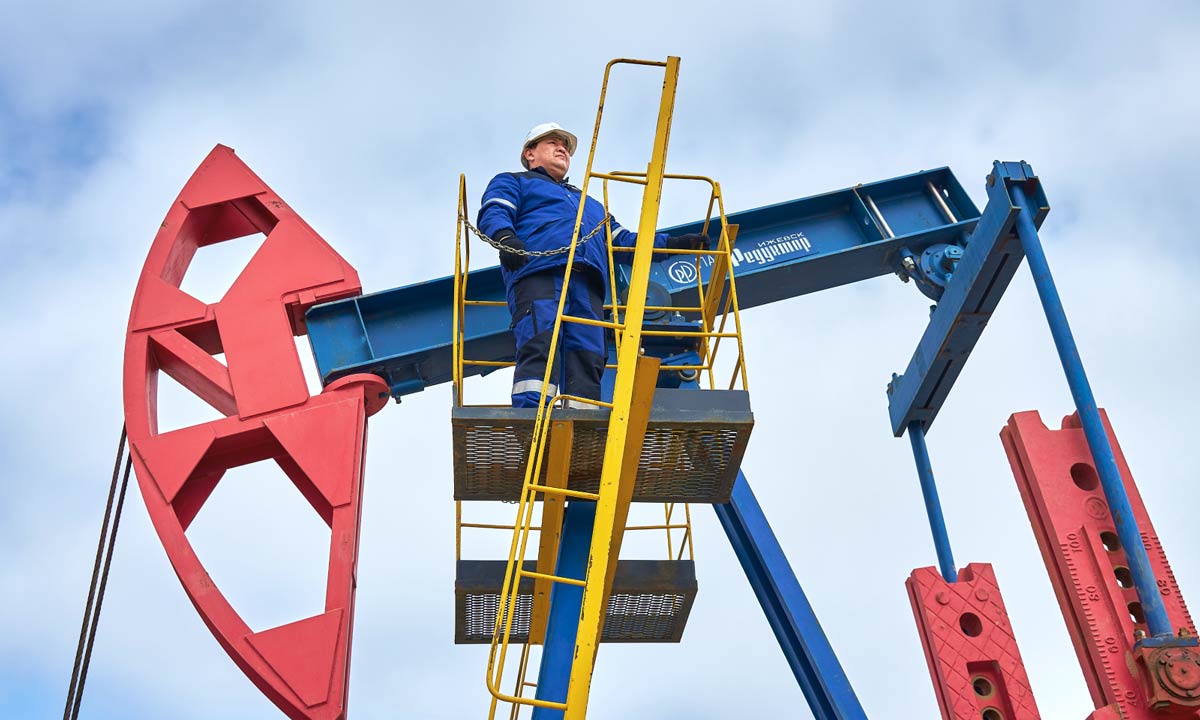
HSE AI Assistant and AI Expert for analysing and preventing accidents
The HSE AI Assistant helps clarify the requirements and procedures for safely performing work, including work at heights, in confined spaces, hot work, work with lifting equipment and other high-hazard operations.
AI Expert analyses the causes of accidents, builds predictive models to prevent incidents, and automates the preparation of reports for regulators and internal governance bodies.
AI Expert: a demo version has been launched, with integration into information systems continuing